
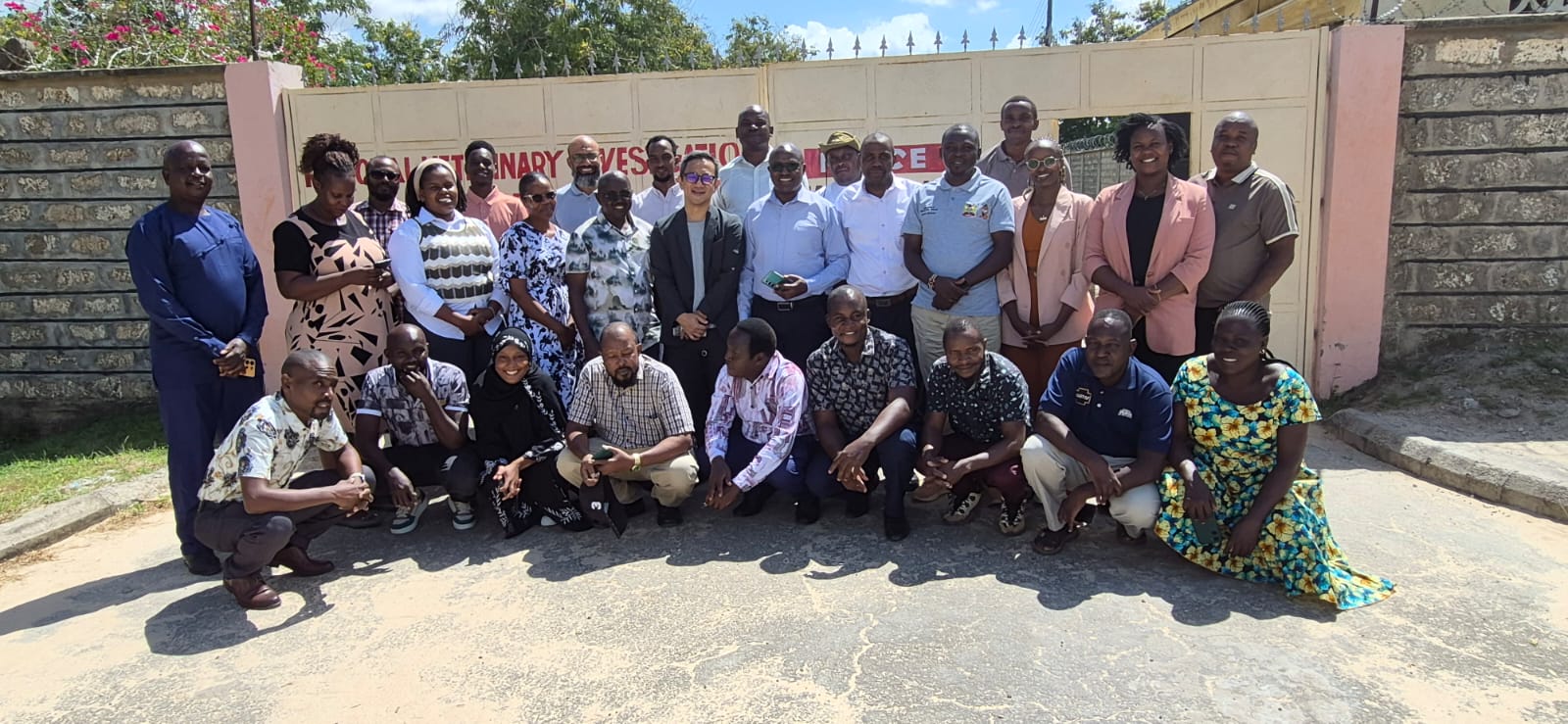
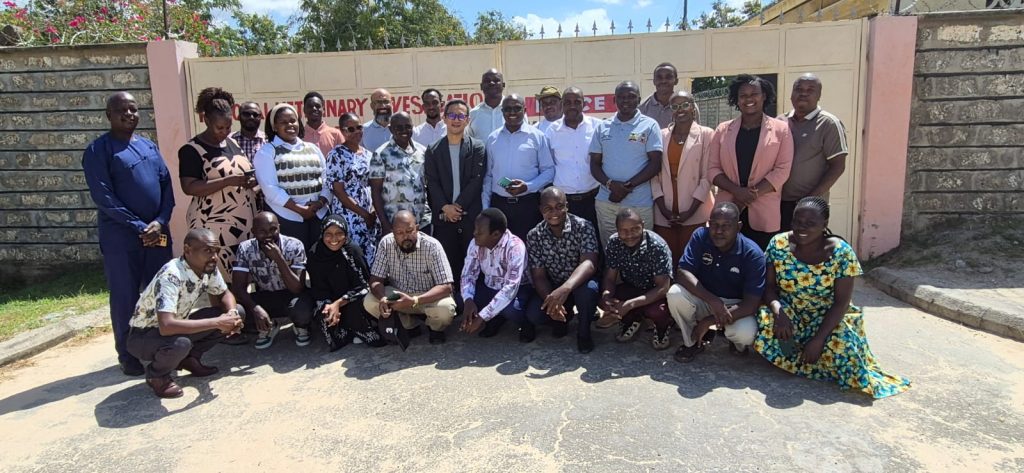
On 26 May 2026, a rabies LFD training was conducted at Mariakani NVL in coastal Kenya.
The aim of this activity is to strengthen rabies surveillance by enabling rapid testing of suspected rabid animals closer to the field. In this training, rabies LFD diagnosis was introduced to five counties: Kilifi, Lamu, Taita Taveta, Kwale, and Mombasa. This was the first attempt to introduce rabies LFD diagnosis at county level in Kenya.
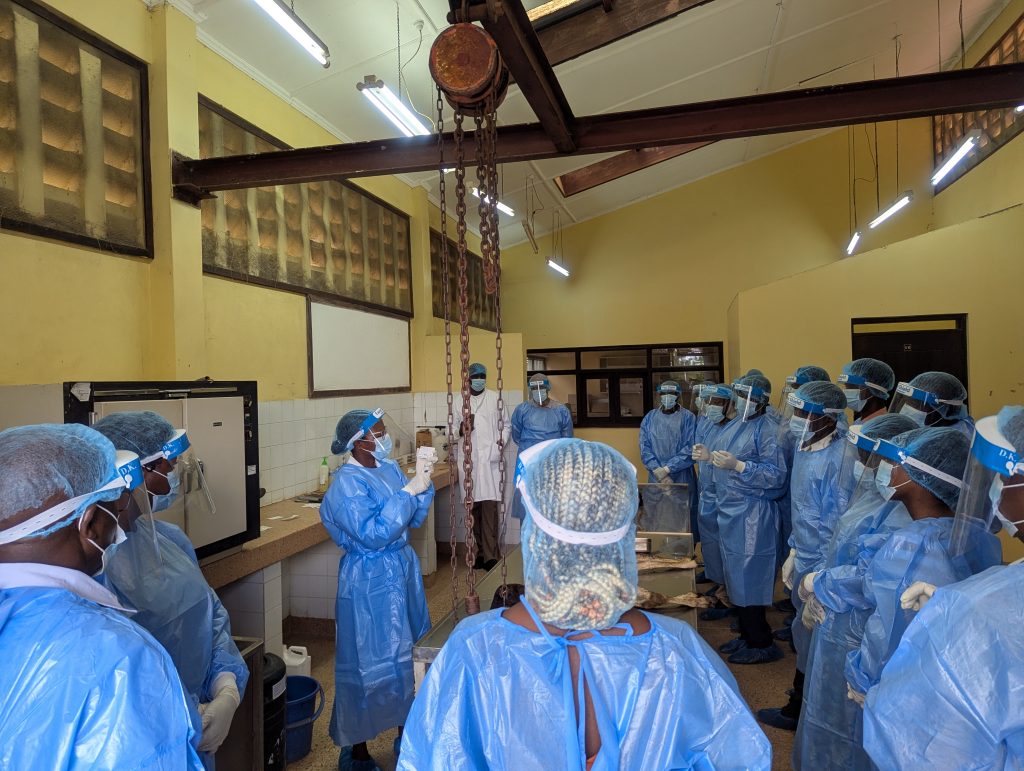
Since 2024, Associate Professor Nobuo Saito has been working to introduce and expand the use of rabies rapid diagnostic kits across Kenya. In July 2025, training was conducted for participants from national NVL laboratories, KWS, Vetin Wild, WRTI, KSPCA, the University of Nairobi, and other institutions. On 24 February 2026, a follow-up training was held at Kabete NVRL for laboratories in the coastal region. The training at Mariakani NVL was the next step, with Mariakani NVL taking the lead in expanding LFD diagnosis to county level.
A total of 18 trainees participated from the five counties, as well as from NVL Witu and NVL Ukunda. Trainers from NUITM, NVRL Kabete, and NVL Mariakani delivered lectures and hands-on sessions on PPE use, waste management, sample collection, and LFD application.
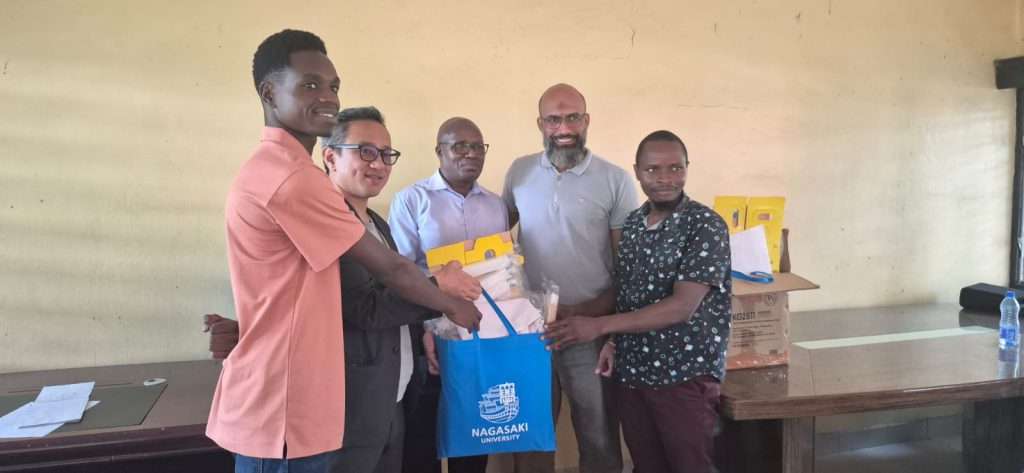
After the training, each of the five counties received LFD kits for 10 tests and a starter set, including PPE and biohazard boxes. These materials will allow each county to start LFD testing for suspected rabid animals.
Positive LFD kits will also be collected for viral genome analysis. By linking field-based LFD diagnosis with genome analysis, this activity aims to clarify the molecular epidemiology of rabies virus in coastal Kenya and better understand spillover events among domestic animals, wildlife, and humans.
This training marked the first step in expanding rabies LFD diagnosis from Mariakani NVL to county level. We will continue to follow up on LFD use and the collection of positive kits to strengthen field-based rabies surveillance in the region.