A Kenyan-led, self-sustaining bronchoscopy training program has been launched through a collaboration between Kenyatta National Hospital (KNH) and AA Health Dynamics (AAHD).
This program is designed and delivered by Kenyan healthcare professionals themselves, marking an important step toward locally driven medical education.
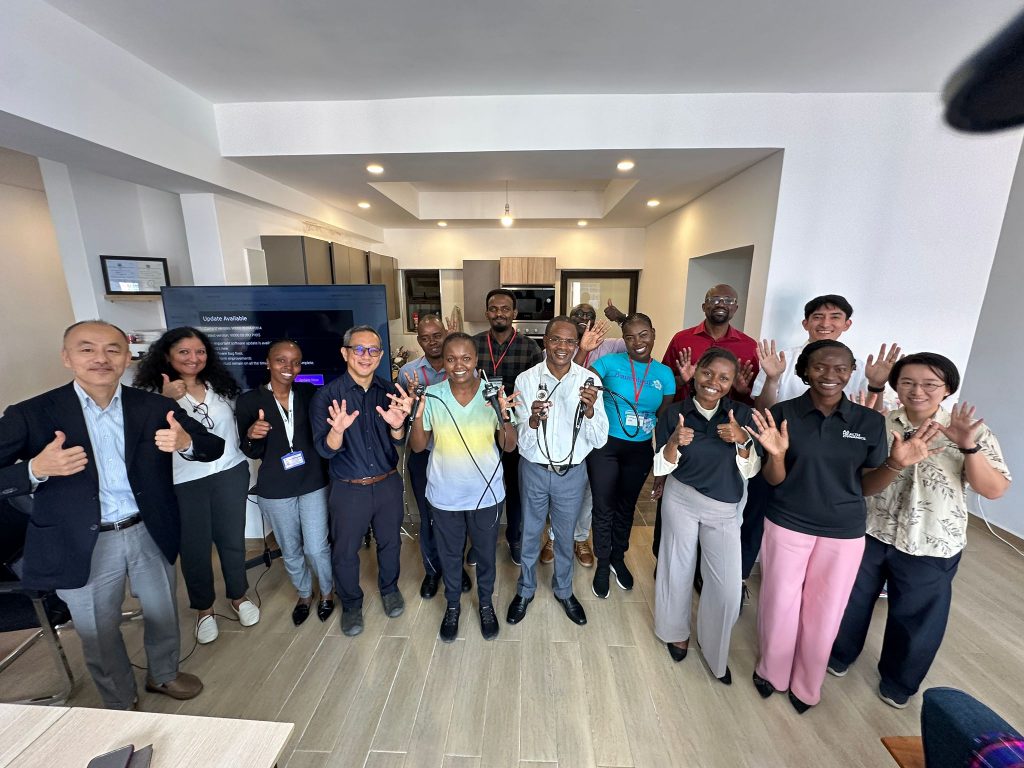
As part of this project, five staff members from KNH were invited to Japan in September 2025, followed by the dispatch of eight staff members from Nagasaki University Hospital to Kenya in December 2025. Through these trainings, Kenyan participants received instruction from Japanese specialists in endobronchial ultrasound (EBUS), bronchoscopy nursing, and equipment maintenance.
At the same time, educational materials suitable for continued use in Kenya were jointly developed, including two bronchoscopy manuals and eight instructional training videos.
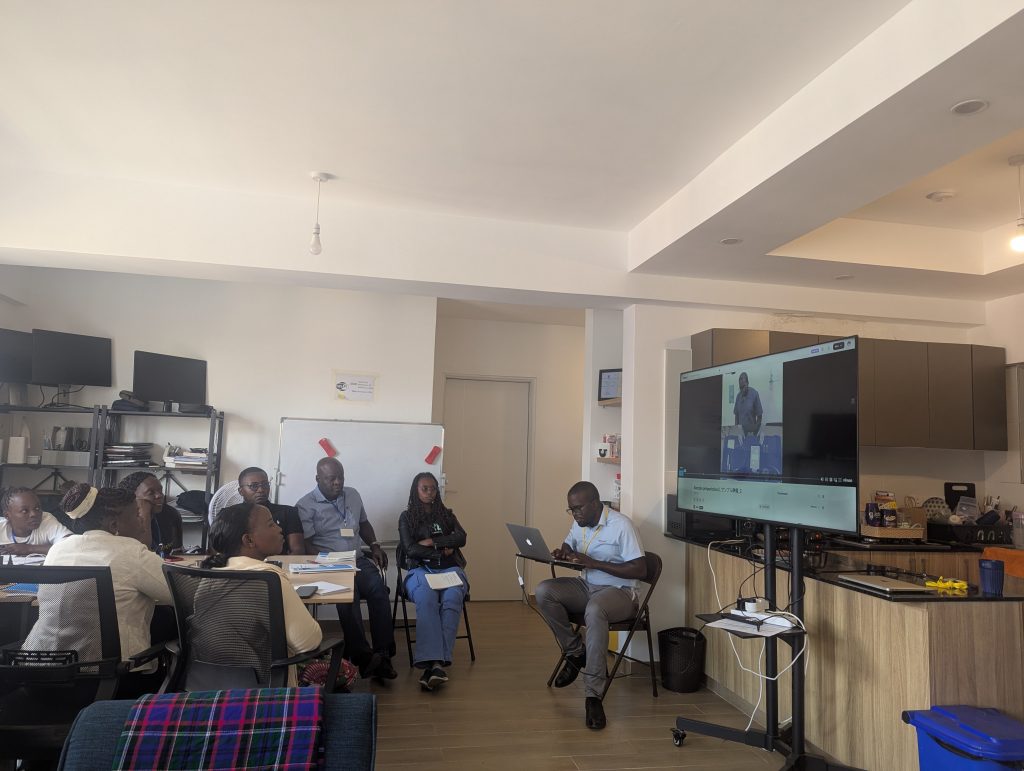
Building on these efforts, a Kenyan-led self-sustaining training course—for physicians and for nurses/biomedical engineers—was conducted from January 20 to 22, 2026, with KNH and AAHD serving as the core organizers. The program was structured by professional category and covered step-by-step learning, from foundational lectures to hands-on practical training.
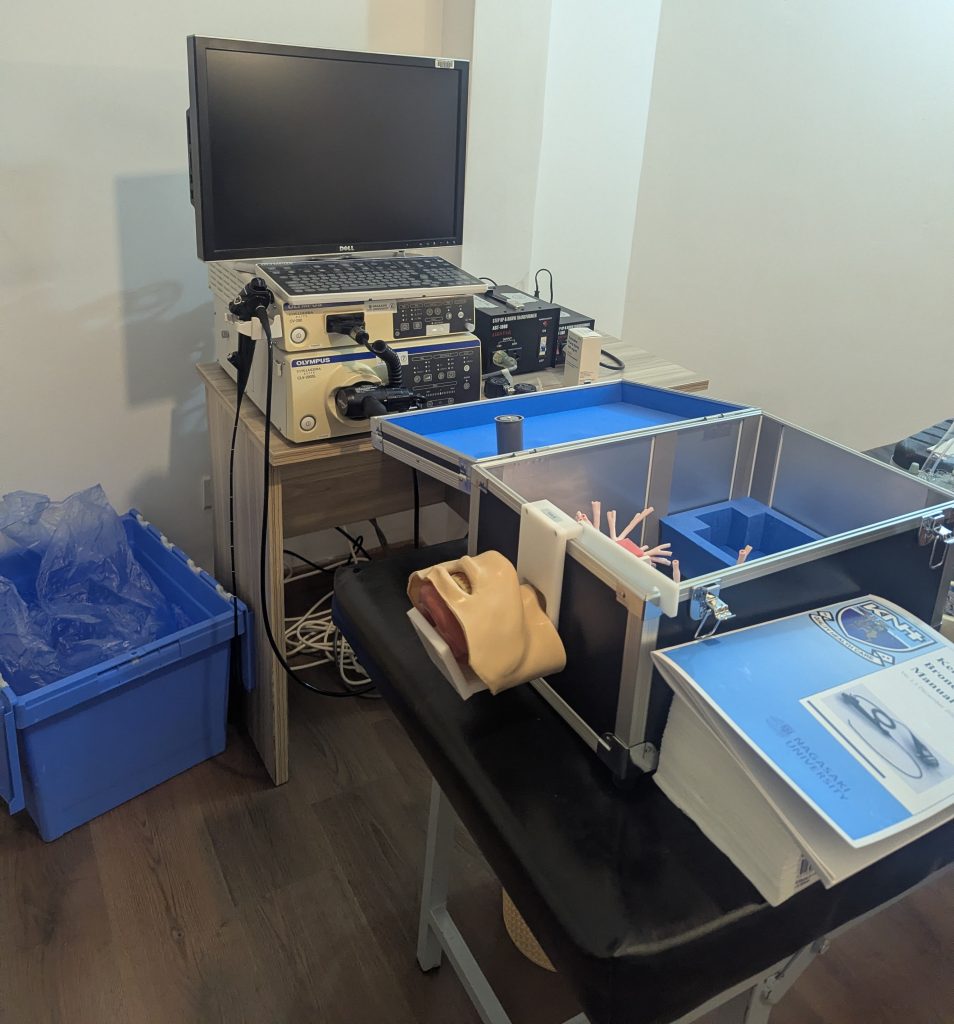
Training sessions utilized bronchoscopes that had completed clinical use in Japan, as well as dedicated training models, enabling even physicians with no prior bronchoscopy experience to participate safely in practical training.
Dr. Sho Shimada, Assistant Professor at Nagasaki University Hospital, participated as a supporting faculty member. From the Kenya-based Nagasaki University team, Associate Professor Saito and Assistant Professor Hikone also joined the program. Support was additionally provided by Olympus, contributing to an enhanced training environment.
Participants were recruited from multiple hospitals across Kenya, including
Moi Teaching and Referral Hospital (Moi),
Jaramogi Oginga Odinga Teaching and Referral Hospital (JOORT),
Meru Teaching and Referral Hospital (Meru), and
Mama Lucy Kibaki Hospital (Mama Lucy Kibaki).
A total of 4 physicians, 6 nurses, and 3 biomedical engineers participated in the training.
■ Physician Training
Day 1 (January 20) | AAHD Training Center
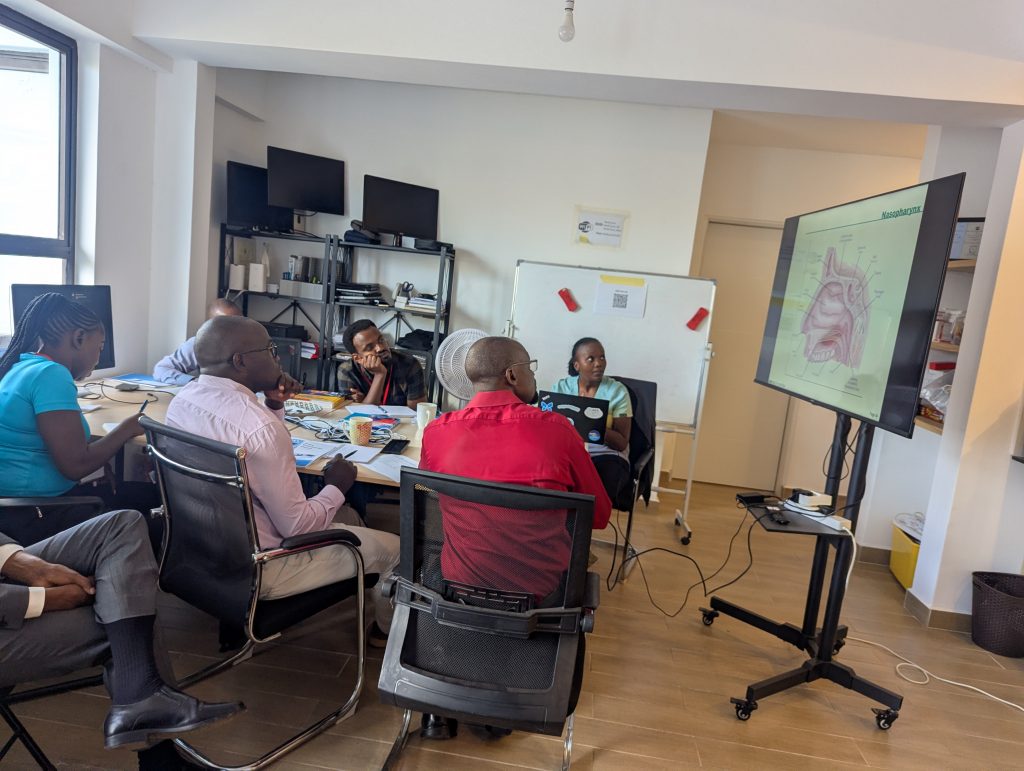
In the morning, lectures were delivered by KNH pulmonologists Dr. Andrew, Dr. Kagima, and Dr. Atina, covering the fundamentals of bronchoscopy, anatomy, procedural workflow, and management of complications.
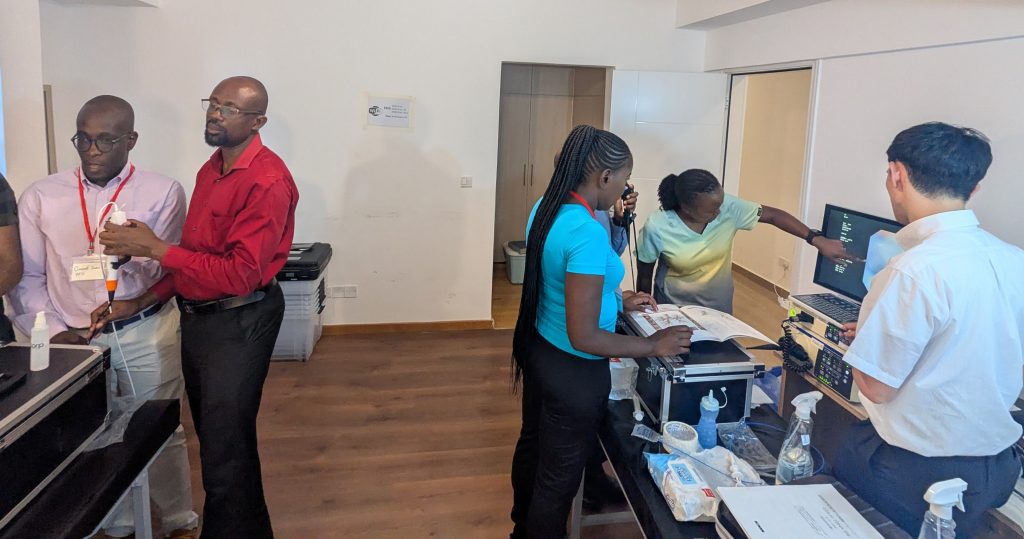
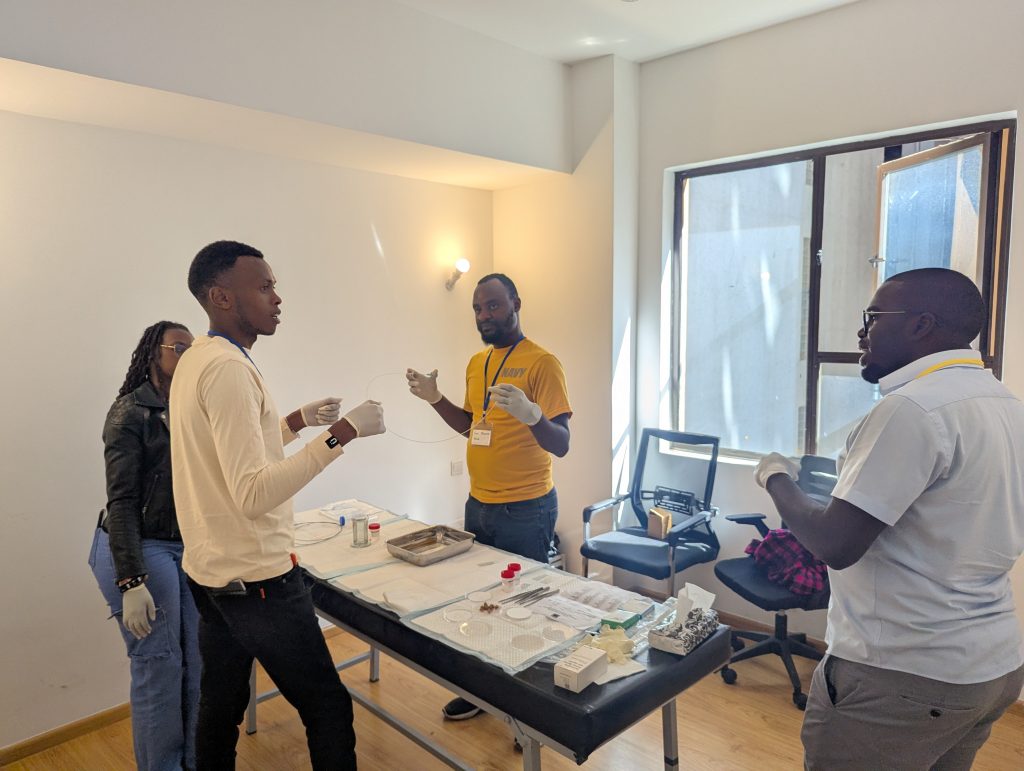
In the afternoon, hands-on training was conducted using bronchoscopes and training models, allowing physicians with no prior experience to learn basic操作 and observation techniques.
Day 2 (January 21) | Kenyatta National Hospital
Participants took part in training using real clinical cases. Under the supervision of Dr. Andrew, Dr. Kagima, and Dr. Atina, physicians applied the skills learned on Day 1 in a clinical setting and performed bronchoscopy procedures for the first time.
■ Nursing and Biomedical Engineer Training
Day 2 (January 21) | Kenyatta National Hospital
Nurse Joanna from KNH provided lectures on the role of nurses in bronchoscopy procedures, followed by observation of actual clinical examinations.
Day 3 (January 22) | AAHD Training Center
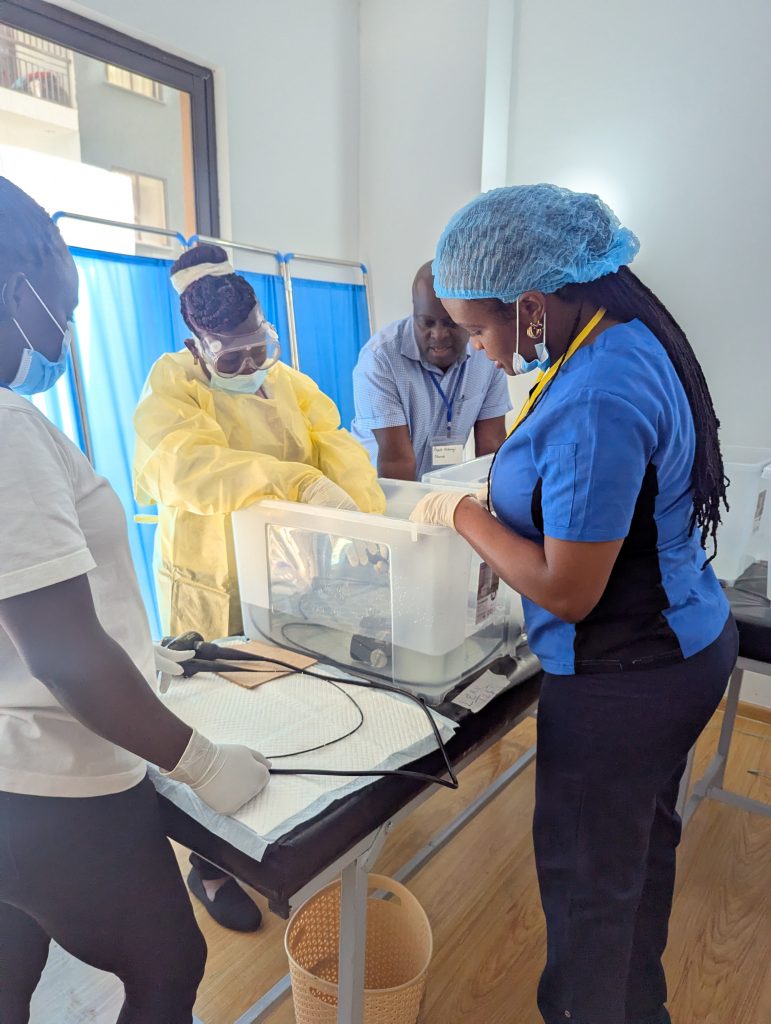
Morning lectures were delivered by Nurse John, Nurse Lucy, and Biomedical Engineer Purity, focusing on equipment preparation, specimen handling, and post-procedure cleaning and maintenance.
In the afternoon, participants engaged in hands-on training in equipment setup and manual cleaning, using locally adapted manuals and instructional videos developed through this project.
■ Establishment of a Bronchoscopy Training Platform at the AAHD Training Center
This project established a sustainable bronchoscopy training platform based at the AAHD Training Center.
Bronchoscopes and light sources donated by Nagasaki University Hospital and Kagoshima University Hospital, which had completed their clinical service in Japan, were transported to Kenya and repurposed for hands-on training.
In addition, bronchoscopy training models were procured through separate Nagasaki University funding and permanently installed at the AAHD Training Center, enabling continuous use beyond the training period.
Together with the distribution of bronchoscopy manuals and training videos, this created an environment that allows participants to continue self-directed learning after returning to their own institutions.
Through these efforts, an integrated training system—combining equipment, educational materials, and practical facilities—has been firmly established at AAHD, providing a foundation for independent, ongoing bronchoscopy training within Kenya.
■ Looking Ahead
As a result of this initiative, a self-sustaining training system has been established in which Kenyan healthcare professionals themselves serve as instructors, teaching bronchoscopy, nursing support, and equipment maintenance as an integrated practice. Moving forward, Kenyatta National Hospital, in collaboration with AAHD, will continue to implement this training program on a regular basis.
This program is led by Nagasaki University as the principal institution, with the goal of strengthening lung cancer diagnostic capacity and bronchoscopy services in Kenya.
The project is implemented as part of the “Project for Global Expansion of Medical Technologies”, administered by the Japan Institute for Health Security (JIHS), to which Nagasaki University has been officially selected.