November 25–27, 2025 | Kenyatta National Hospital (KNH), Nairobi
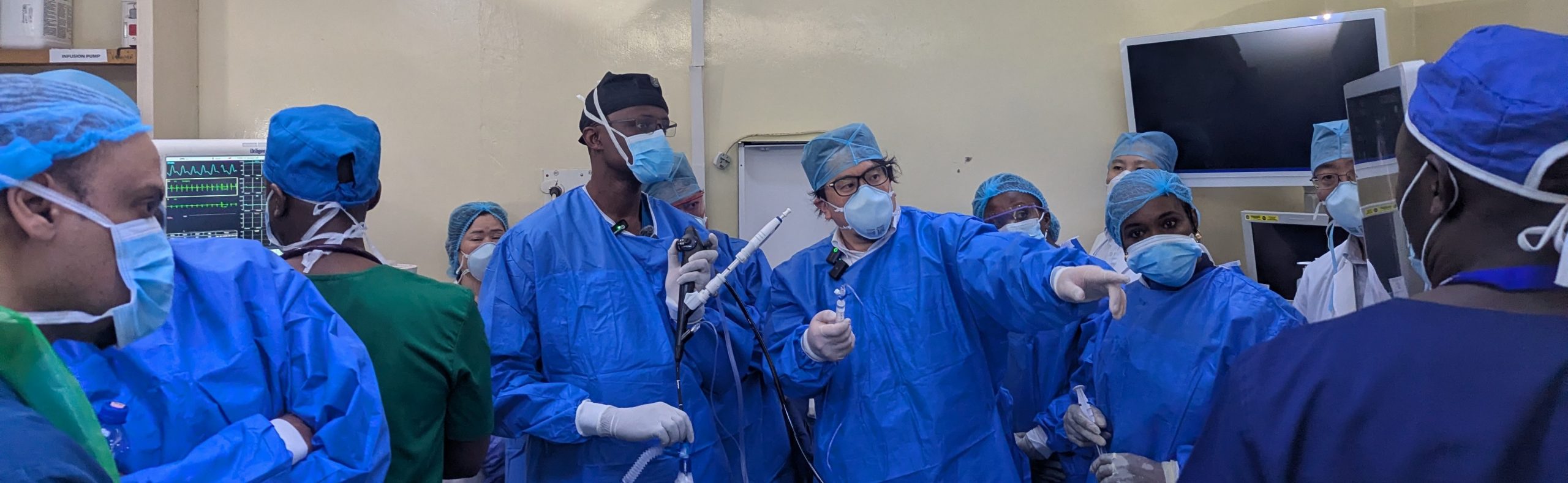
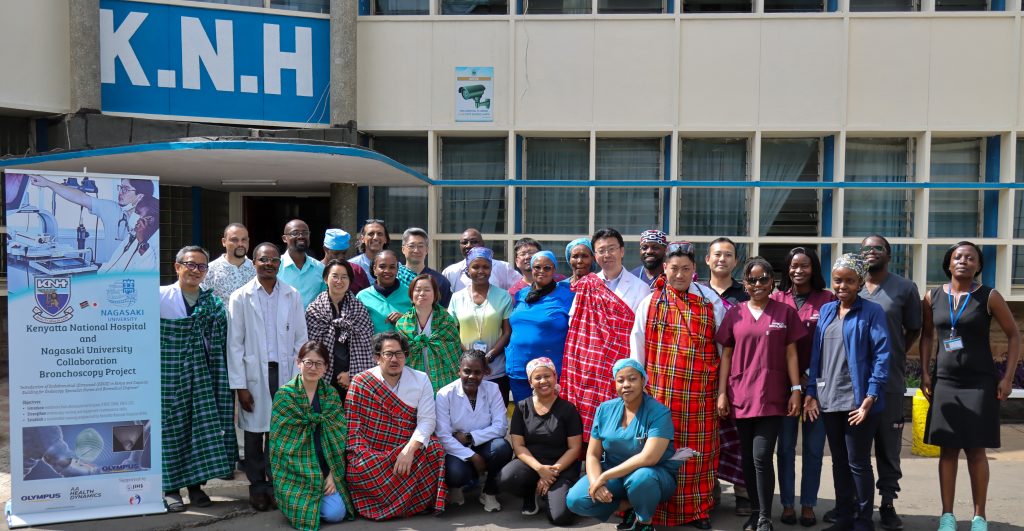
From November 25 to 27, 2025, a team of eight specialists from Nagasaki University visited Kenya and conducted an intensive bronchoscopy training program at Kenyatta National Hospital (KNH), the largest national referral hospital in the country.
This initiative is led by the Nagasaki University Institute of Tropical Medicine Kenya research station, under the leadership of Associate Professor Saito and Assistant Professor Hikone, who serve as project directors.
Experts from Nagasaki University Hospital joined the program as trainers.
The project aims to strengthen Kenya’s diagnostic capacity for lung cancer and is implemented with the support of the Japan Institute for Health Security (JIHS).
◆ Opening Ceremony with the Principal Secretary, Japanese Ambassador, and KNH CEO
The opening ceremony on November 25 was exceptional in scale and significance.
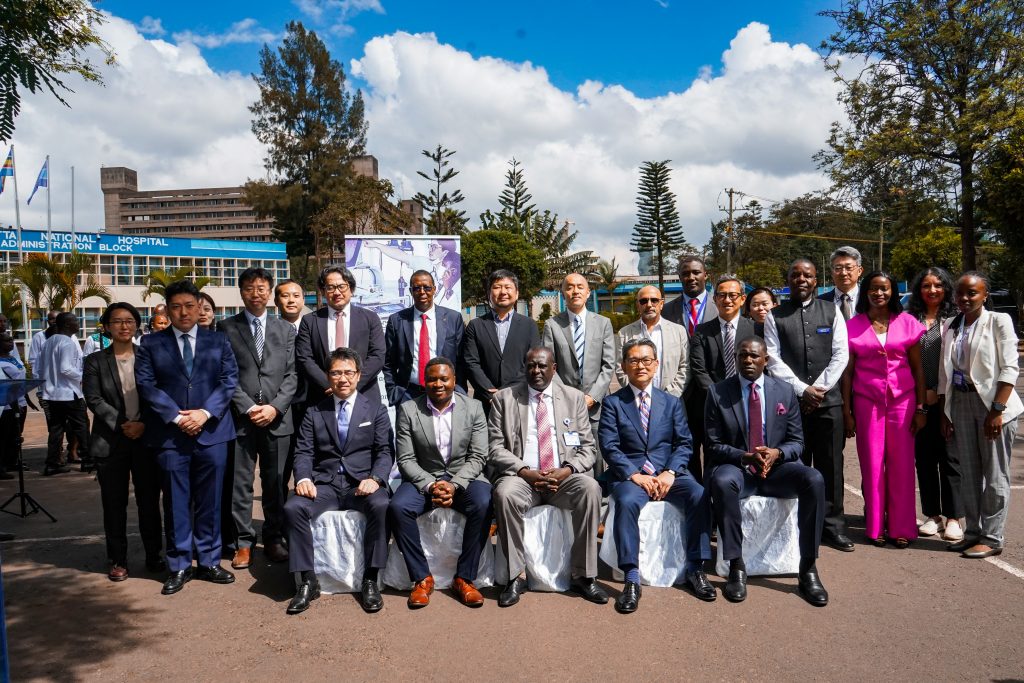
The event was attended by:
- Dr. Ouma Oluga – Principal Secretary, Ministry of Health, Kenya
- H.E. Mr. Hiroshi Matsuura – Ambassador of Japan in Kenya
- Mr. Richard Lesiyampe – CEO, Kenyatta National Hospital
Their participation highlights the Kenyan government’s strong commitment to this project.
The ceremony received wide media coverage across Kenya, demonstrating the high expectations placed on this collaboration.
Professor Keitaro Matsumoto represented Nagasaki University and delivered the congratulatory message on behalf of the university president.
The presence of the Principal Secretary clearly signaled that:
“The Government of Kenya considers this project a national priority.”
The venue was filled with energy and hope for advancing Kenya’s medical system.
◆ Hands-on, Practical Training Designed for Kenya’s Clinical Environment
The training program was jointly implemented by the Nagasaki University Hospital team and the Kenya research station of the Institute of Tropical Medicine.
Training faculty included:
- Five physicians
(Prof. Matsumoto – Thoracic Surgery; Dr. Takemoto and Dr. Honda – Respiratory Medicine; Prof. Tanaka – Infectious Diseases; Dr. Masuda) - One endoscopy nurse (Nurse Ishikawa)
- Two clinical engineers (Chief Engineer Hayashi, Engineer Noda)
Program planning, coordination, and on-site management were led by Assoc. Prof. Saito, Asst. Prof. Hikone, and local staff at the Kenya Office.
The training focused on three core components:
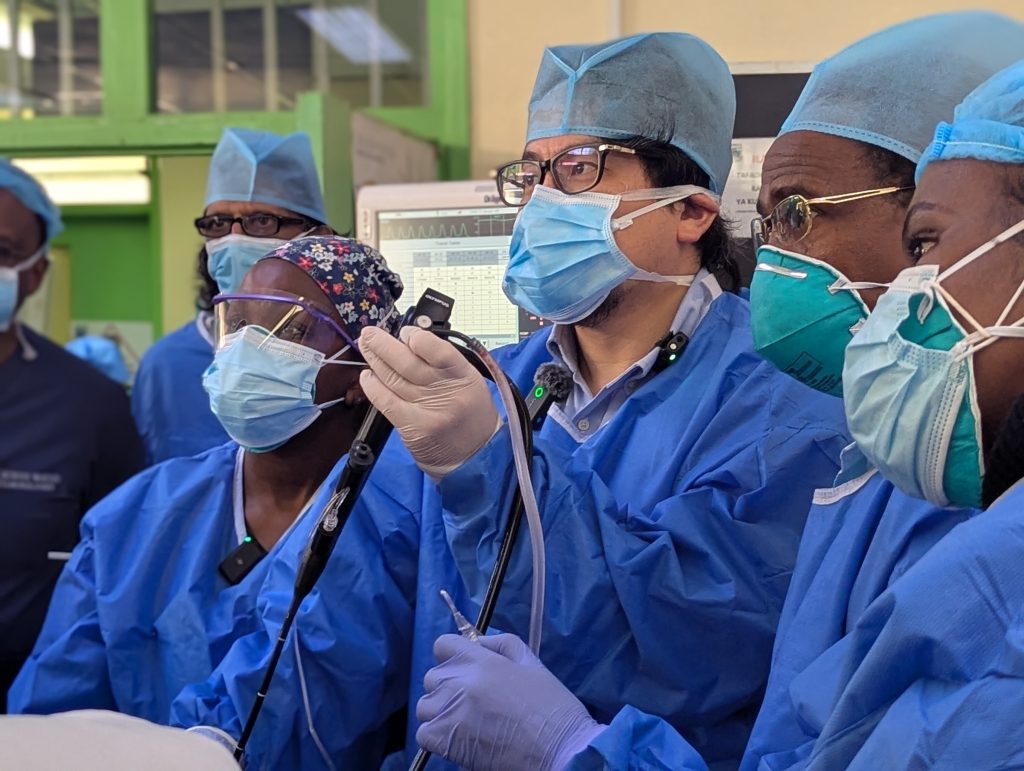
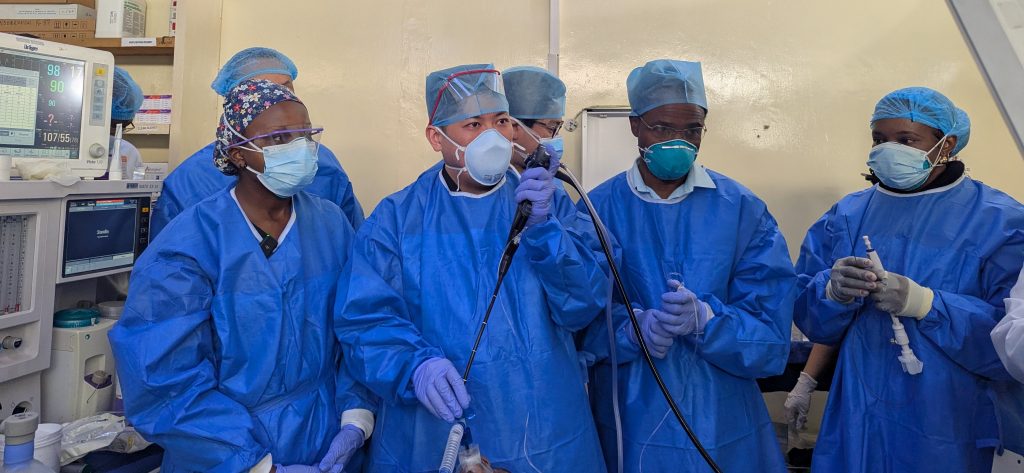
- EBUS-TBNA / EBUS-GS hands-on procedures
- Endoscopy nursing care and workflow
- Equipment maintenance and troubleshooting
EBUS is a highly impactful diagnostic technology for lung cancer and holds great promise for improving patient outcomes in Kenya.
◆ Seven Cases Performed in Three Days – “Learning from Real Clinical Cases”
Under the guidance of Dr. Takemoto and Dr. Honda, five respiratory physicians from KNH and three from neighboring hospitals participated, along with nurses and clinical engineers.
Because KNH sees many advanced and severe cases, the training provided invaluable real-world learning experiences—far beyond what textbooks can offer.
Through precise and careful instruction, Kenyan physicians gained confidence and significantly improved their technical skills over the course of the program.
◆ Strong Partnerships with Olympus and AA Health Dynamics
This project is supported through robust collaborations with:
- Olympus Corporation – provision of bronchoscopes and technical support
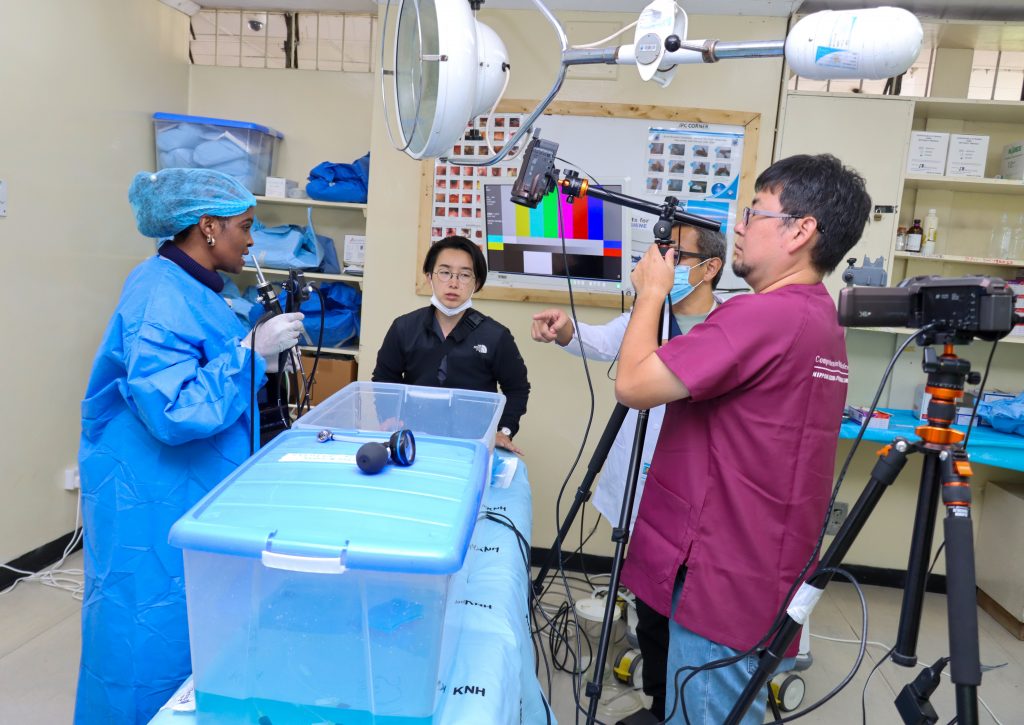
- AA Health Dynamics (AAHD) – development of training videos and on-site coordination
Procedural videos were recorded and are being developed into training materials to enable KNH to conduct its own independent training programs.
This is a key step toward establishing a sustainable Training of Trainers (ToT) model.
◆ Building a Sustainable Bronchoscopy System in Resource-Limited Settings
Despite being a major 1,800-bed referral hospital, KNH faces challenges such as equipment shortages, maintenance limitations, and the need for continuous training.
This project aims to:
- Build a sustainable bronchoscopy service suitable for resource-limited settings
- Establish a long-term, Kenya-led educational system
The Kenya Office of Nagasaki University is working closely with KNH to ensure the program adapts to local realities.
There are plans to scale up this model across Kenya and eventually to other African countries.
◆ Nagasaki University’s Long-Term Commitment
Nagasaki University is also supporting the project through its independent resources by:
- Donating and repurposing bronchoscopy equipment retired from Japanese hospitals
- Developing simulator-based training modules
These efforts aim to enable KNH to independently organize training and disseminate skills to surrounding hospitals.
◆ Conclusion
The dedication and enthusiasm of Kenyan healthcare workers left a strong impression on the Japanese team.
Although the project has just begun, Nagasaki University and its Kenya Office are committed to working side by side with Kenyan partners to transform lung cancer diagnosis across Kenya and the African region.